








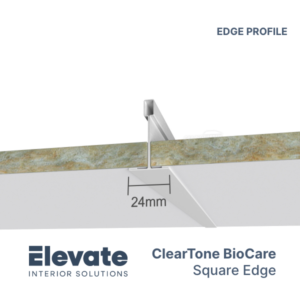

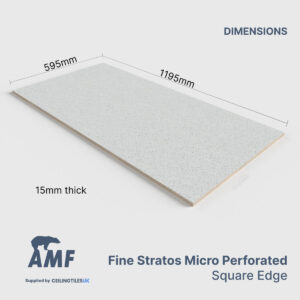




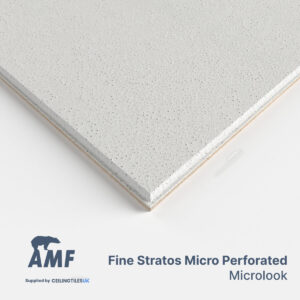
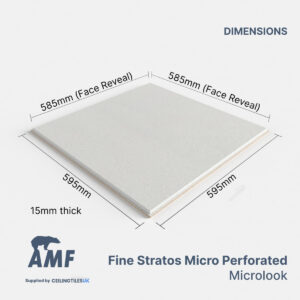



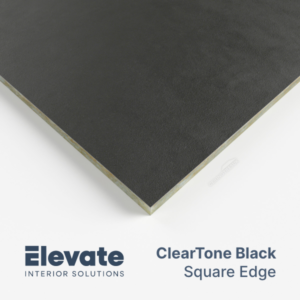
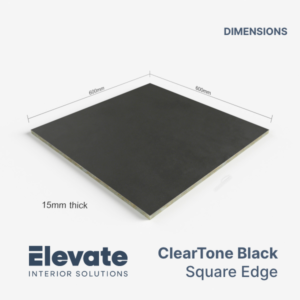
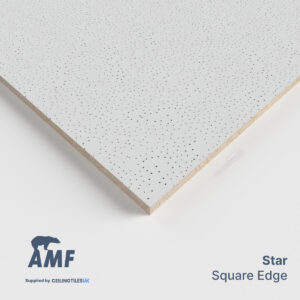
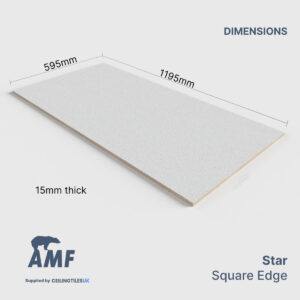


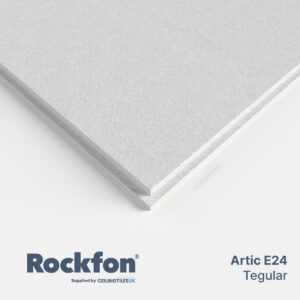

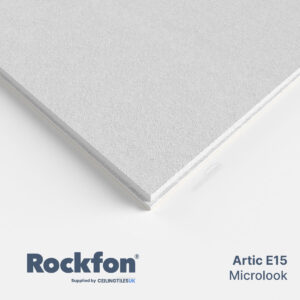
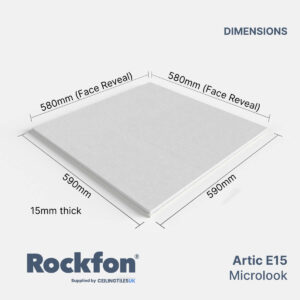


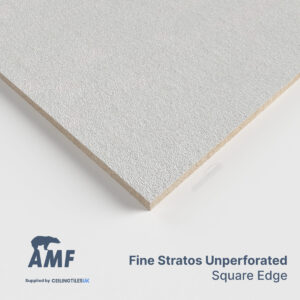



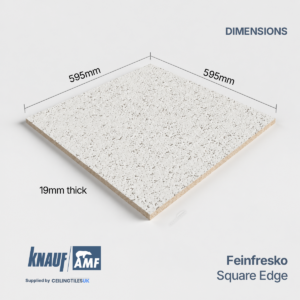
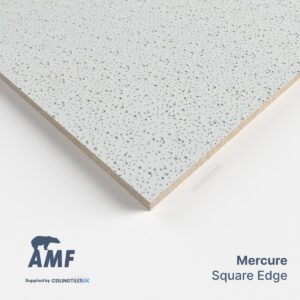
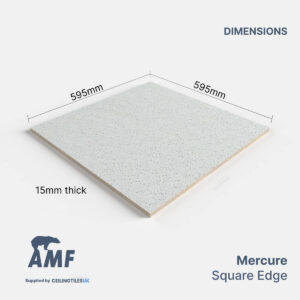


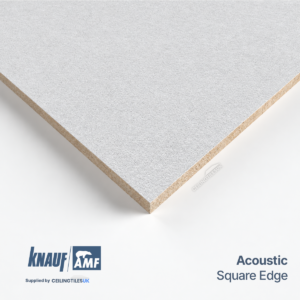


Suspended Ceiling Tile Overview
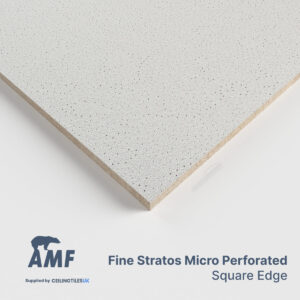
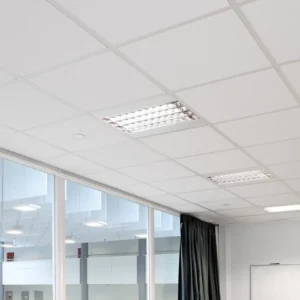
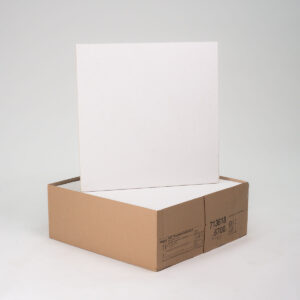
A suspended ceiling, often referred to as a drop ceiling or false ceiling, is a secondary ceiling that is hung below the main soffit to conceal wiring, pipes and ductwork while providing easy access for maintenance. It consists of two components: ceiling tiles and ceiling grid.
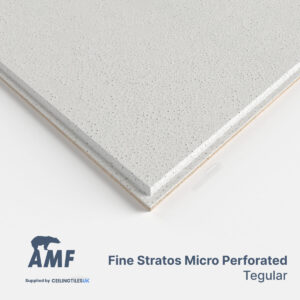
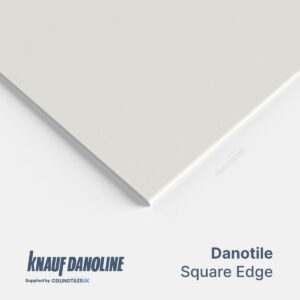
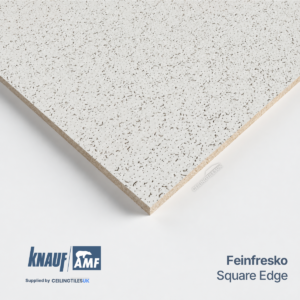
- Ceiling Tiles – Ceiling tiles are lightweight, designed to fit within the suspended ceiling grid. They come in different materials to meet specific needs, such as sound absorption or moisture resistance. Floating ceiling tiles are easy to install and replace, making them ideal for most commercial spaces.
- Ceiling Grids – The ceiling grid is the metal framework that holds the hung ceiling tiles in place. It’s suspended from the structural ceiling by wires, allowing for quick access to the area above the tiles. The grid system makes it simple to replace individual tiles as needed without disturbing the entire ceiling.
The system provides a cost-effective and flexible ceiling solution that simplifies installation, maintenance and replacement.
When Should You Replace Your Ceiling Tiles?
You should replace your ceiling tiles if they show any of the following signs:
- Visible Damage – Cracks, chips or sagging tiles can indicate structural issues.
- Stains or Discolouration – Water stains or discolouration may suggest leaks or moisture damage, which can lead to the build up of mould or mildew.
- Warping or Bucking – Tiles that have been exposed to humidity or water damage may warp, affecting the appearance or function of your ceiling.
- Mould or Mildew Growth – If tiles are exposed to moisture for extended periods, they can develop mould, impacting air quality.
- Acoustic Degradation – Over time, tiles may lose their soundproof properties, reducing the overall effectiveness of your suspended ceiling.
If any of these issues arise, we recommend that you replace the damaged tiles as soon as possible. Thankfully, with a suspended drop ceiling, individual tiles can be replaced without needing to pay for an entirely new system.
💡 Important: If your ceiling is sagging or showing signs of water damage, this could indicate that the tiles are not properly specified for your environment. In such cases, the entire system may need replacement. For expert guidance on finding the right specification, reach out to our team.
Need a Match?
We can help you match your replacement tiles with your existing system. Just send our experts some photos.
Types of False Ceiling Tiles
At Ceiling Tiles UK, we offer a wide variety of panels from some of the industry’s leading brands. Some of our most popular categories include:
Acoustic Ceiling Tiles
These tiles are designed to absorb sound and reduce noise levels, making them ideal for offices, classrooms and other environments where sound control is essential. Acoustic tiles improve the overall soundscape of a room, helping create a quieter, more comfortable atmosphere.
Decorative Ceiling Tiles
We offer a variety of design-led ceiling tiles if you’re looking to stand out from the crowd. This includes a variety of patterns, colours and finishes to improve the appearance of any space whilst still providing practical benefits like sound absorption and moisture resistance.
Moisture Resistant Ceiling Tiles
Ideal for high humidity areas such as kitchens, changing rooms or swimming pools, these moisture resistant tiles are designed to prevent sagging, warping and mould growth. They maintain their integrity even in damp conditions, ensuring long-lasting performance.
Complete Ceiling Kits
For a convenient, all-in-one solution, our complete ceiling kits come with everything you need, including the tiles and necessary grid components, making it easy to build your ceiling with minimal hassle.
How to Choose the Right Ceiling Tile for My Space
Choosing the right ceiling tile depends on the specific needs of your space – from functionality to aesthetics. It’s important to consider factors such as acoustics, moisture levels and design preferences.
Different environments require different ceiling tile properties, so understanding the purpose of your space will help you make the best choice. You can always reach out to our experts for advice and product recommendations – we have years of experience to help you find the best tile.
Below are some common applications to guide your selection:
- Offices
In an office, acoustics are important for creating a comfortable working environment. You might want to look for tiles that absorb sound to reduce noise levels, making conversations more private and meetings more focused. Consider tiles that offer a professional, clean appearance to match your workplace’s interior design.
- Retail
For retail spaces, design and durability are top priorities. A ceiling with tiles should improve the shop’s aesthetic. For example, more decorative ceiling tiles add a stylish touch, while durability ensures the tiles remain in good condition over time, even in busy environments.
- Healthcare
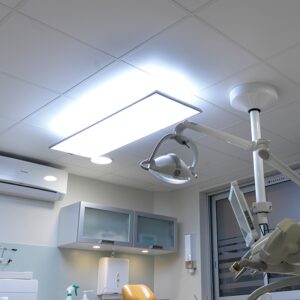
Healthcare environments like hospitals and clinics require tiles that are easy to clean and meet strict hygiene standards. Moisture and mould resistance are essential. Choose tiles that can handle frequent cleaning and offer protection against bacterial and mould growth.
- Education
Classrooms, libraries and lecture halls benefit from tiles that offer sound control to keep noise levels manageable. Durability is also key, as these areas often see heavy use. Acoustic tiles are ideal for reducing noise and distraction and creating a focused learning environment.
- Restaurants & Kitchens
In kitchens or food service areas, consider moisture-resistant tiles to prevent warping or mould growth. Certain fire requirements, determined by unique regulations, may also need to be met. Please check with your local building control if you’re uncertain what is required. Also, consider tiles that are easy to clean and resistant to grease or humidity.
Ceiling Tile Installation Tips
For help embarking on your suspended ceiling installation, we recommend that you read through our guide. This includes a step-by-step PDF to print off, as well as a video.
On top of this, our ceiling experts have curated some insider tips to help you with your ceiling fitting:
- Create a Ceiling Design
Before you begin, take the time to sketch out a ceiling design. Our team are always on hand to help you with this – it will be important when determining the right quantities of materials needed to get the job done right.
- Incorporate Lighting Into Your Design
Think beyond just fitting your tiles – consider how they interact with your lighting. This will need to be incorporated into your ceiling design to ensure your space is efficiently lit.
- Consider Insulation
We also offer ceiling insulation in the form of polypads and loft roll. This provides further insulation and can be easily placed on top of your tiles.
- Seek Professional Help If Needed
If you encounter any challenges during your installation, don’t hesitate to reach out to a professional for help. Sometimes, a little expert guidance can save you time and ensure the project meets your standards.
Our Customers Also Asked
-
Are ceiling tiles easy to install?
Yes, ceiling tiles are easy to install. Most tiles are designed to be lightweight and easy to handle. Once your grid is set up, it’s a matter of placing the tiles into the grid.
-
Can I cut a ceiling tile?
All ceiling tiles (except metal) can be cut with a stanley knife and a straight edge e.g. a ruler.
-
Are your tiles fire rated?
All our ceiling tiles are from major brands and are manufactured in accordance with current fire legislation. They have all been fire tested in line with British Law and achieve or exceed the current spread of flame standards that all products must adhere to. Please note that when a 30 or 60 minute fire rating is required, the rating is achieved through a combination of materials from the same manufacturer rather than a singular product/tile. More information about fire rated ceiling systems from CTUK can be found here.
-
How do you measure ceiling tiles?
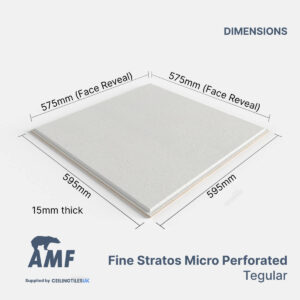
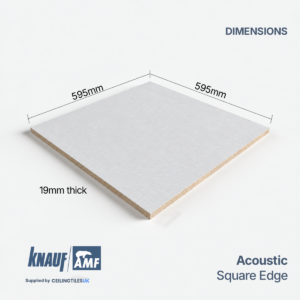
To measure the size of your existing ceiling tile, take a tape measure and position it along the length of your tile. This will indicate the size of your tile and help you determine the type of replacements you may need. Please note: Your tiles may measure marginally smaller than expressed on our website. This difference is to allow for room when fitting them within your grid.
-
Can I replace individual ceiling tiles without removing the entire grid?
Yes, you can replace individual ceiling tiles without removing the entire grid! It’s one of the many benefits of a suspended ceiling - your drop tiles are designed to be easily lifted out of place, allowing you to swap out damaged or stained tiles one at a time.
-
How do I know if my ceiling tiles need replacing?
Signs that your ceiling tiles need replacing include visible discolouration, stains from water damage, sagging, cracks or loss of acoustic performance.
-
What tools do I need for ceiling tile installation?
For ceiling tile installation, you’ll need a few basic tools. This includes a measuring tape, Stanley knife (for cutting tiles if necessary), ladder, straightedge and safety gear.
-
Do I need a professional to install ceiling tiles, or can I DIY?
You can definitely DIY your suspended ceiling installation if you have some basic tools. Installing or replacing tiles in an existing grid is relatively straightforward. If, however, you’re installing a completely new ceiling system, hiring a professional may save you time.